Manual stock research vs screening watchlists for Palakkad investors
Two approaches to finding investment opportunities
Investors in Palakkad who actively manage their own portfolios face a recurring question: should you dig through financial statements one stock at a time, or let a screening tool surface candidates automatically? Both paths can lead to solid picks, but they suit different styles, goals, and time commitments. Understanding how manual research and screened watchlists differ, and when each works best, helps you choose the method that fits your routine.
What manual stock research looks like
Manual research means reading annual reports, studying cash flow statements, and tracking a company's competitive position over time. You select a stock because you have heard of it, read an article, or noticed a trend in your local market. From there, you examine its debt levels, profit margins, and earnings growth history. You might compare it against two or three peers in the same sector. The process is deliberate and narrow. You focus on a handful of names and learn them deeply.
This approach suits investors who enjoy the detective work of finance. It also works well when you already know the industry you want to invest in. If you follow the Palakkad business scene closely, for example, you might spot a local company that seems undervalued. Manual research lets you verify that hunch without wading through hundreds of irrelevant tickers.
The main drawback is time. Reviewing one company's full report can take hours. If you only look at a few stocks per quarter, you may miss opportunities in sectors you do not follow. Confirmation bias is another risk, once you like a company, you may overlook warning signs in its financials.
What screened watchlists offer
A screened watchlist automates the first pass. You set criteria such as minimum market capitalization, a price-to-earnings ratio below a certain level, or consistent earnings growth over five years. The tool returns a list of stocks that match those filters. You then review the candidates manually, but the initial sifting takes seconds.
Platforms that provide investment watchlist tools let you combine multiple screening filters in one query. You might look for companies with low debt, positive free cash flow, and a price performance above the sector average over the past year. The result is a focused list that you can sort, save, and revisit as new data arrives.
The advantage is breadth. You scan the entire market, not just the names you already know. A screened watchlist can uncover small or mid-cap stocks that rarely appear in news headlines. It also reduces emotional bias. The numbers drive the selection, not a tip from a friend or a story in a magazine.
Tickspike Markets is also on YouTube.
The trade-off is that you still have to do the final analysis. A screening filter cannot tell you whether a company's management is competent, whether its products face regulatory risk, or whether its competitive moat is widening. Those judgments require reading and judgment. A watchlist is a starting point, not a finished portfolio.
When manual research makes sense
Manual research fits best when you have a strong thesis about a specific sector. If you believe renewable energy will grow in Kerala over the next decade, you can study every company in that space, one by one. You will understand their supply chains, regulatory hurdles, and local advantages better than any screen can capture.
It also suits investors who hold stocks for the long term. When you plan to keep a position for five or ten years, the extra hours spent on a deep dive pay off. You build conviction that helps you hold through volatility.
Beginners often benefit from manual research too. Working through a single annual report teaches you how to read financial statements, spot red flags, and calculate valuation metrics. That knowledge transfers to every stock you evaluate later.
When screened watchlists win
Screened watchlists are ideal when you are exploring new territory. If you have always invested in banks but want to look at technology stocks, a screen can show you which tech companies meet your quality standards without you having to know the sector well.
They also help during earnings season. After quarterly results come out, you can screen for companies that beat earnings estimates or raised guidance. That gives you a short list of recent outperformers to investigate further.
Tickspike Markets provides a platform where investors can build such watchlists across stocks, ETFs, funds, and bonds. The screening tools allow you to filter by quality metrics, growth rates, performance data, and risk indicators. Once your watchlist is set, you can monitor changes in valuation and fundamentals without rebuilding the query each time.
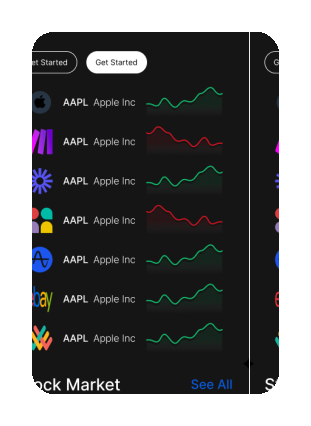
For investors in Palakkad who work full-time jobs and cannot spend every evening reading filings, a screened watchlist saves hours. You check the list once a week, look at the new names that appear, and decide which ones deserve a deeper look.
Combining both approaches
The most effective strategy often blends the two. Use a screened watchlist to generate a pool of candidates. Then apply manual research to the top five or ten names. This hybrid method gives you the breadth of automation and the depth of human judgment.
For example, you might screen for companies with a market capitalization above 500 crore, return on equity above 15 percent, and debt-to-equity below 0.5. That filters thousands of stocks down to a manageable list. Then you read the annual reports of the three or four most promising ones. You look at their peer comparison, check the investment thesis from the management discussion, and decide on portfolio allocation.
This workflow is common among serious retail investors. It avoids the tedium of screening every stock manually while still requiring you to think critically about each pick.
What to watch out for in each method
Manual research can lead to overconfidence. You spend so much time on one stock that you start seeing reasons to buy even when the numbers do not support it. Setting strict criteria before you start reading helps. Write down what you need to see in revenue growth, margins, and cash flow before you begin.
With screened watchlists, the risk is relying too heavily on backward-looking data. Earnings growth and price performance reflect the past. A company that looked great last year may face headwinds this year that no filter captures. Always pair your screen with forward-looking questions. Is the industry growing? Is the company investing in new products? Is its competitive position strengthening?
Another common mistake is using too many filters. Narrowing the screen to ten criteria often returns zero results. Start with three or four essential filters, then add more only if the list is still too long to review.
Building a routine that works for you
Your choice depends on how much time you can devote and how deeply you want to know each holding. If you have one hour per week, a screened watchlist with periodic manual reviews is realistic. If you have ten hours per week and enjoy research, manual deep dives on a few companies can be rewarding.
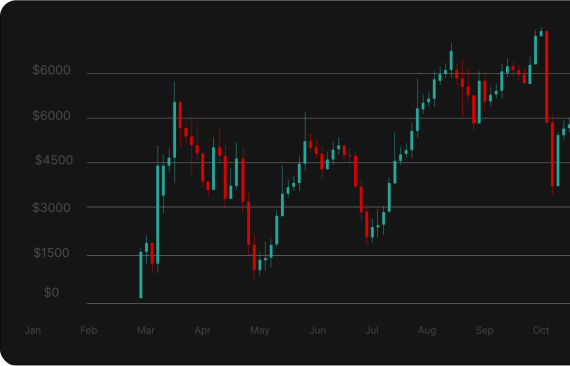
Many investors shift between methods over time. When markets are volatile, manual research helps you stay grounded in fundamentals. When markets are quiet and you want fresh ideas, a screen can uncover names you would not have found otherwise.
For Palakkad-based investors, the local context matters too. Companies with operations in Kerala or that serve the regional economy may not appear on global screens unless you add location-specific filters. Including state or sector tags in your screening criteria can surface those names.
Tickspike Markets, based in Palakkad at 44/89 RAMANIKA, Thirupurakkal Colony, Melamuri, Palakkad, Keralam 678012, India, and reachable at +91-7411498895, provides tools that support both manual analysis and automated screening across stocks, ETFs, funds, and bonds, helping you build and maintain a watchlist that matches your research style.